












Top Industrial Coating Innovations 2025
14.05.2025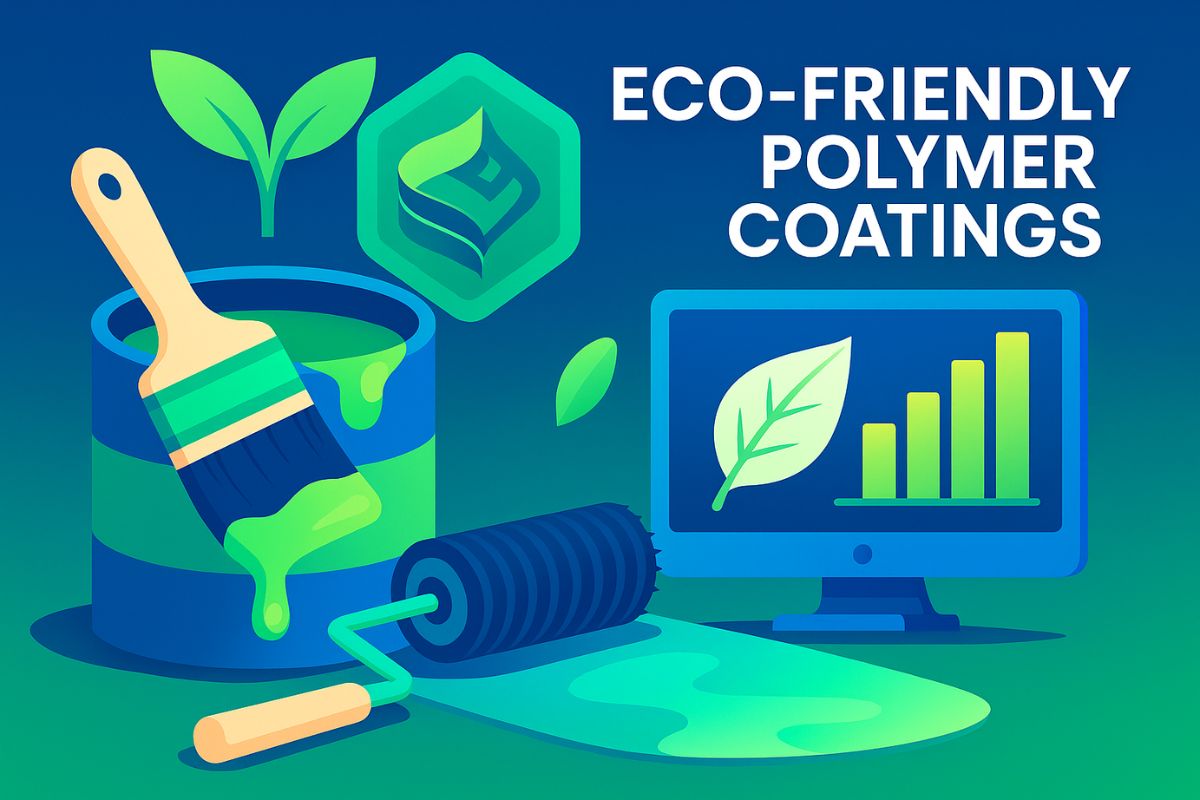
The world of polymer coatings is changing — and fast. What once focused mainly on performance and durability is now being reimagined with sustainability at the core. Thanks to advances in green chemistry and sustainable polymers, the industry is embracing cleaner, safer, and more responsible solutions. This shift is driven by a mix of tougher regulations, changing customer expectations, and a growing global commitment to sustainability.
But this isn’t just a trend. It's a permanent and strategic change.
Why the Industry Is Going Green
- Stricter regulations: National and international standards (like REACH and VOC limits) are enforcing tighter control over harmful emissions.
- ESG targets: Companies across sectors are committing to sustainability goals and reporting progress through Environmental, Social, and Governance frameworks.
- Eco-aware customers: From specifiers to end users, people are choosing greener options, and suppliers are responding.
What Makes a Coating Eco-Friendly?
- Low or zero VOCs: Reduces harmful emissions and improves air quality.
- Water-based or powder formulations: Environmentally safer to apply and handle.
- Biobased materials: Derived from renewable resources like vegetable oils or plant-based resins.
- Energy-efficient curing: Requires less heat or time to set, saving energy.
- Longer lifespan: Reduces the frequency of recoating, cutting down on materials and waste.
Where It’s Already Working: Real-World Applications
- Public Infrastructure: Cities are using waterborne epoxies on bridges and railings to meet clean air requirements and reduce maintenance cycles.
- Home Appliances: Manufacturers have switched to powder coatings for metal surfaces, removing VOCs completely while speeding up production.
- Electronics: UV-cured coatings are being used to protect PCBs — they cure quickly, don’t require solvents, and meet safety standards.
Decorative Flooring: Bio-based polyurethane coatings are helping buildings earn LEED points and achieve durable, low-emission finishes
What’s Driving the Trend
- Construction: Builders want materials that help meet LEED standards and improve indoor air quality.
- Automotive: OEMs are increasing their use of waterborne basecoats and low-emission finishes.
- Pharma & Food: Demand is rising for safe, non-toxic coatings in sensitive environments.
Innovation: Smart formulation tools and circular design are helping manufacturers reduce waste and rethink end-of-life strategies
Why It’s Good for Business
- Meet regulations and ESG goals with less risk and better reporting.
- Reduce energy and application costs thanks to improved formulations and efficient curing.
- Strengthen your brand by aligning with environmental values.
Win more contracts by offering certified, low-emission solutions to clients who care

What’s Coming Next?
- AI in formulation: Smarter tools to optimize durability and sustainability.
- Recyclable and modular layers: Easier to reuse or disassemble.
- Smart/self-healing coatings: Designed to repair themselves and reduce wear.
- Digital lifecycle tracking: End-to-end data to improve performance and reduce waste.
Final Thoughts: The New Standard
- Eco-friendly polymer coatings are no longer 'alternatives' — they’re becoming the industry standard. Whether you're formulating, specifying, or applying coatings, now is the time to align with sustainability.
- “Protect the surface — and the planet.”
Learn more about our sustainable solutions with our web.